Rome at the table: Coda alla Vaccinara, The Origins of This Exquisite Roman Dish
Among the most iconic recipes in Roman cuisine, Coda alla Vaccinara stands out for its fascinating history and rich, enveloping flavor, telling the story of centuries of popular culture. This dish is a direct evolution of quinto quarto cooking — based on the lesser cuts of meat — creatively elevated by Roman butchers with ingenuity and passion.
The Popular Origins of Coda alla Vaccinara
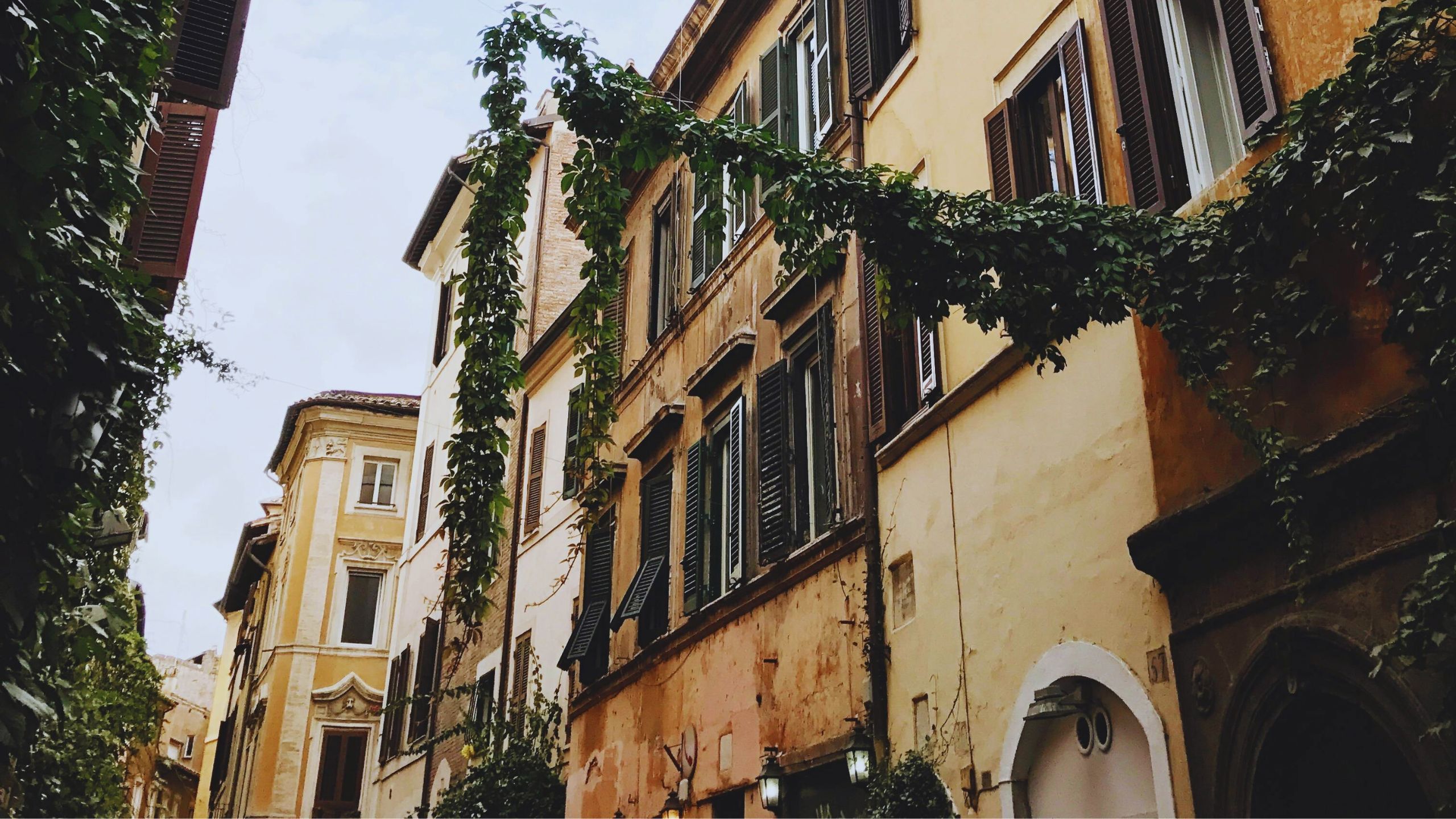
The origins of Coda alla Vaccinara are closely tied to the Rione Regola, a historic Roman district where vaccinari — the city’s butchers — worked. As part of their compensation, they often received offal and so-called “scraps,” including the tail. In a context of necessity, these craftsmen of meat managed to turn humble ingredients into hearty, flavorful dishes. With the opening of the Testaccio slaughterhouse at the end of the 19th century, this culinary tradition became even more deeply rooted in Rome’s fabric. Coda alla Vaccinara began appearing in popular cookbooks, first as a simple boiled dish, then simmered slowly with tomato, wine, lard, and herbs, and eventually evolving into a refined and complex recipe. The most well-known version includes raisins, pine nuts, and bitter cocoa, creating a surprising sweet-sour balance that has become a signature.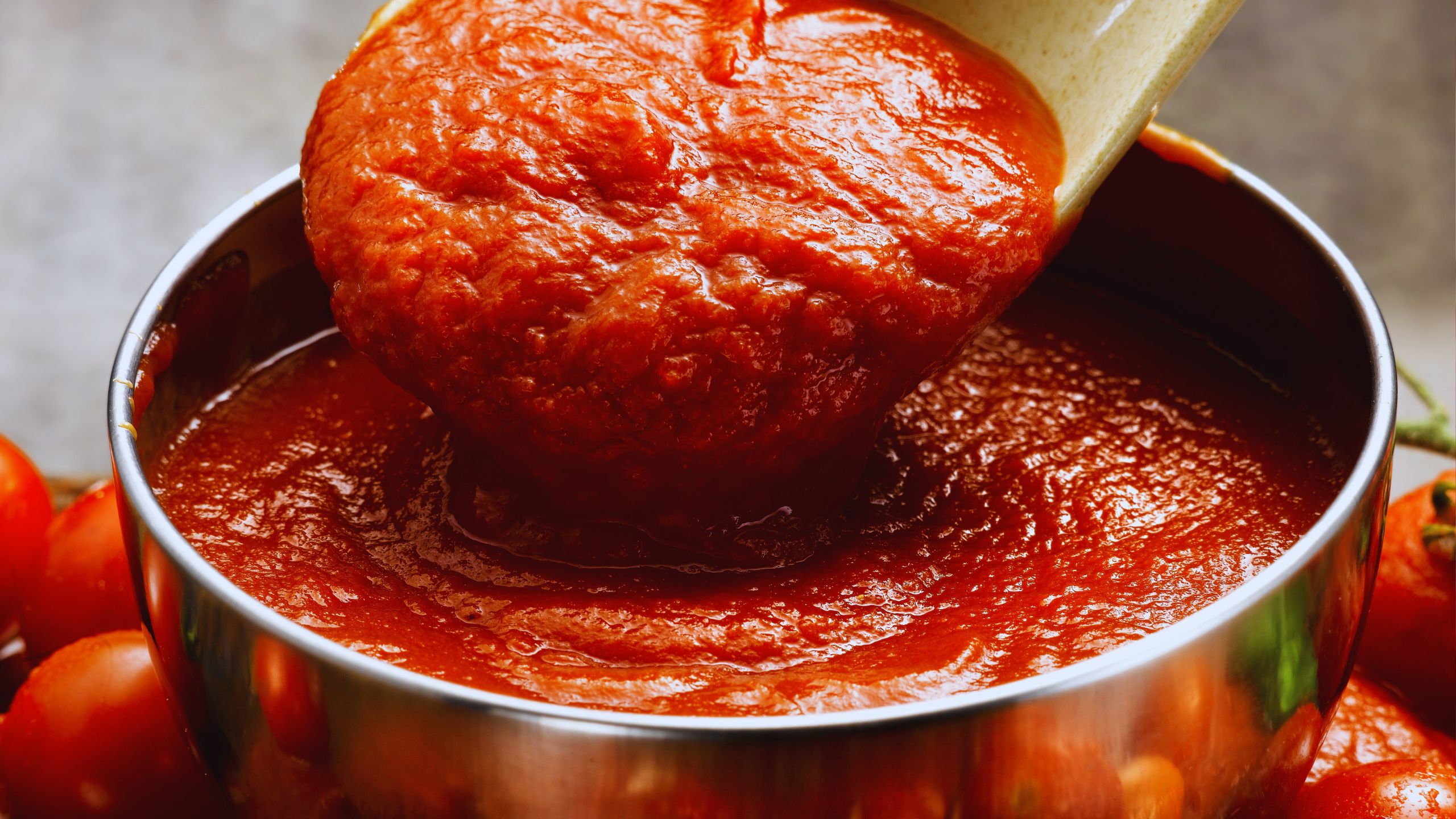
Simple Ingredients, Unmistakable Flavor
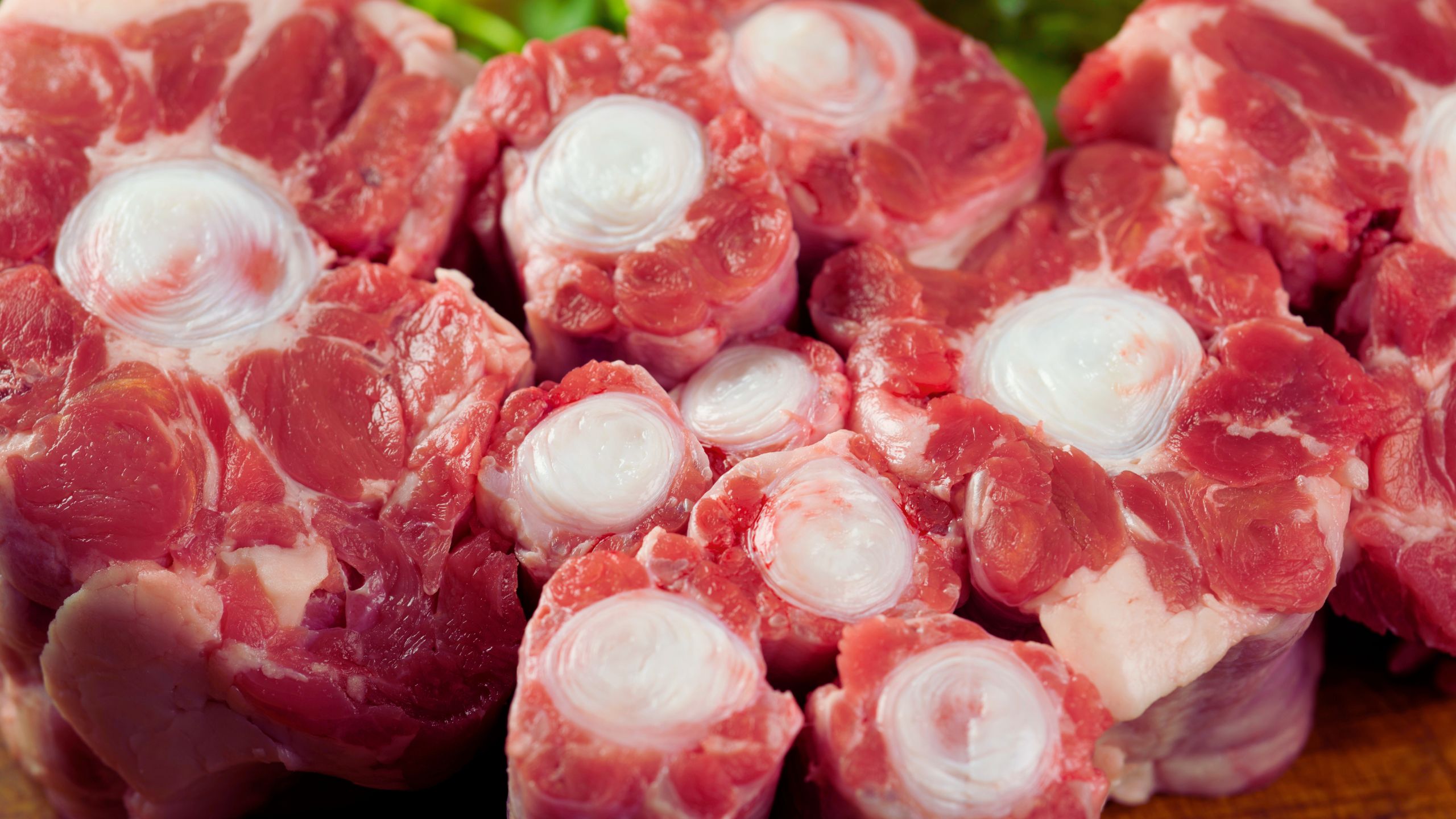
At the heart of the dish is oxtail (or veal tail), chopped into pieces and slow-cooked with a flavorful base of celery, carrots, onions, and tomato sauce. The cooking time — often as long as four hours — transforms the meat into melt-in-your-mouth tenderness, while the sauce becomes rich and aromatic. Often, it’s also served as a ragù for rigatoni, turning into a robust and unforgettable pasta dish. The final touch of cocoa, raisins, and pine nuts adds sweet and bitter notes, creating a layered flavor profile that has won over even the most refined palates.
To taste Coda alla Vaccinara today is to immerse yourself in Rome’s social history. It’s a dish that speaks of community, ancient trades, and families making the most of what they had — turning simplicity into excellence. Today, it’s proudly featured in both historic trattorias and modern restaurants, while still holding on to its popular roots.
A Culinary Journey of Authenticity and Culture
Those visiting Rome who wish to uncover the city’s true soul can do so through its food. And Coda alla Vaccinara embodies this rediscovery of tradition, embracing every part of the animal in a way that modern sensibilities would call sustainable. Every bite tells a story; every ingredient offers a taste of the past, still present today. Coda alla Vaccinara isn’t just something to eat — it’s an invitation to explore the many faces of Roman culture. Food lovers will find the same spirit of tradition in the city’s farmers’ markets, or in other iconic local dishes like Baccalà alla Romana or stuffed calamari. This gastronomic journey can be deepened with a visit to rural towns in Lazio, where the agricultural memory of the region is still alive — places like Castel Giuliano or Sabina, where cuisine, nature, and history intertwine. In this way, even a simple meal becomes a multi-sensory journey, revealing the truest essence of the Eternal City.
Do you want to stay in Rome?
For this location we recommend Hotel Oxford, the ideal starting point to discover Rome!