Holidays in Rome: Exploring Centrale Montemartini Between Classical and Industrial Archaeology
Among the lesser-known yet most fascinating museums in Rome, Centrale Montemartini in the Ostiense district stands out as a unique destination for those interested in the intersection between ancient culture and 20th-century industrial architecture. This museum is home to ancient Roman statues and millennia-old mosaics alongside steam engines, turbines, and boilers — offering an entirely new perspective on the Eternal City.
An Industrial Plant Turned Exhibition Space
Inaugurated in 1912, Centrale Montemartini was the city’s first public electricity plant. The facility remained operational until the 1960s and was later refurbished in the late 1990s to host a temporary exhibition of works from the Capitoline Museums. Over time, the success of this initiative led to the site's transformation into a permanent exhibition space. Today, the museum houses a collection that skillfully combines archaeological artifacts from ancient Rome with the monumental machinery of industrial archaeology — preserving compressors, turbines, and engines within the original architecture of the plant.
Exhibition Path and Must-See Highlights
The museum route at Centrale Montemartini is divided into various rooms, each with its own architectural character and thematic focus.
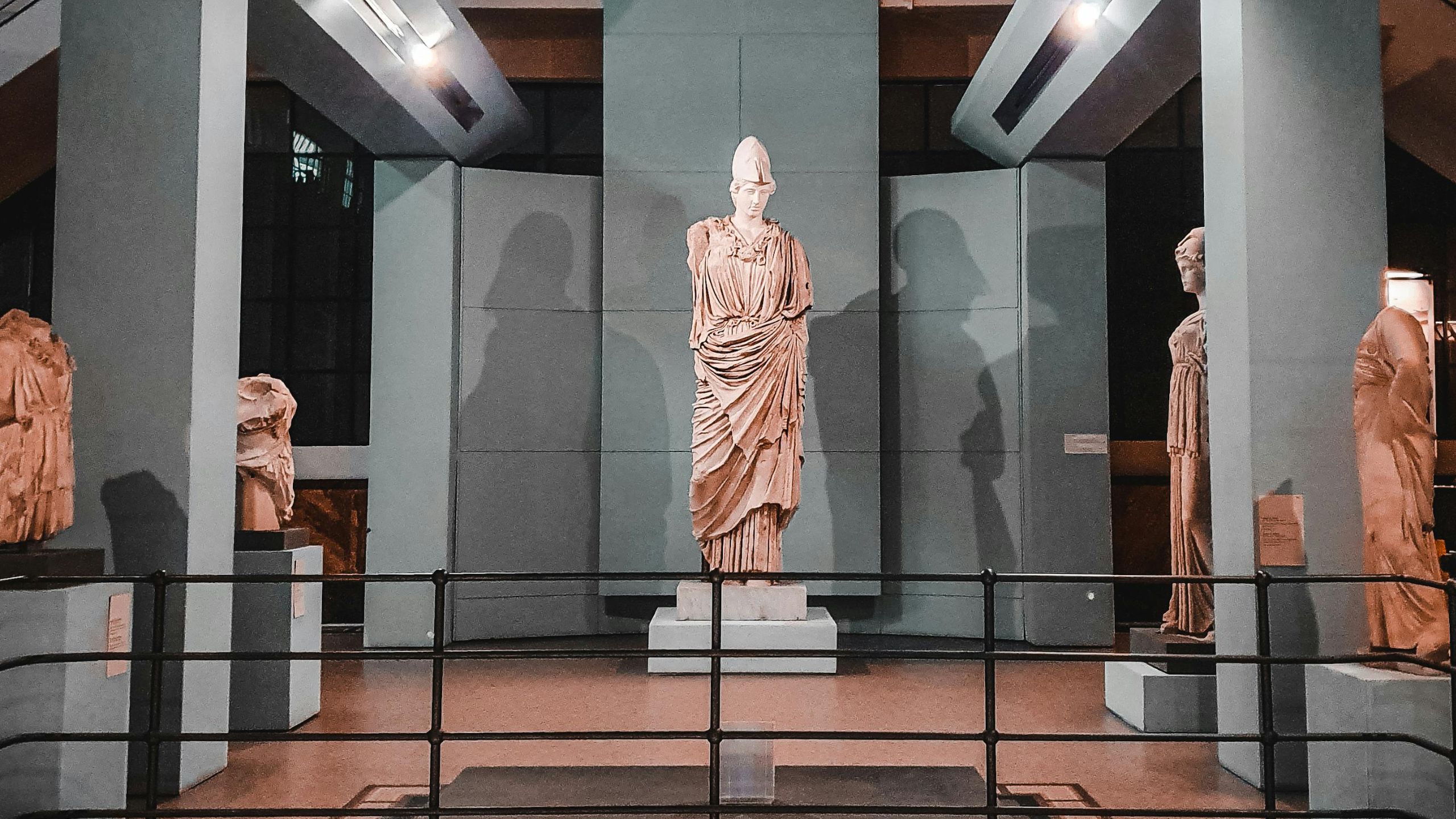
In the Atrium, visitors can admire monumental works like the statue of Agrippina the Elder, mother of Nero, and the head of Alexander Helios, son of Cleopatra and Mark Antony — a rare imperial portrait with solar attributes.
The Column Hall features masterpieces such as a sarcophagus depicting a battle between Greeks and Amazons, and a statue of a Muse, both reflecting the fine Roman craftsmanship inspired by the Hellenistic world.
In the dramatic Machine Room, once the beating heart of the power plant, stand prominent sculptures like the statue of Mars, the evocative portrait of Antinous (Emperor Hadrian’s favored youth), and a statuary group of Dionysus from the Horti Liciniani, attesting to the splendor of late-imperial aristocratic residences.
Finally, the Boiler Room hosts marine-themed floor mosaics and architectural fragments recovered from Roman domus in the Esquiline and Caelian districts.
Each area retains its original industrial machinery — including towering boilers and compressors — which now frame ancient artworks in a compelling visual contrast. Clear explanatory panels guide visitors through the historical and artistic context, making the visit both educational and captivating for all audiences.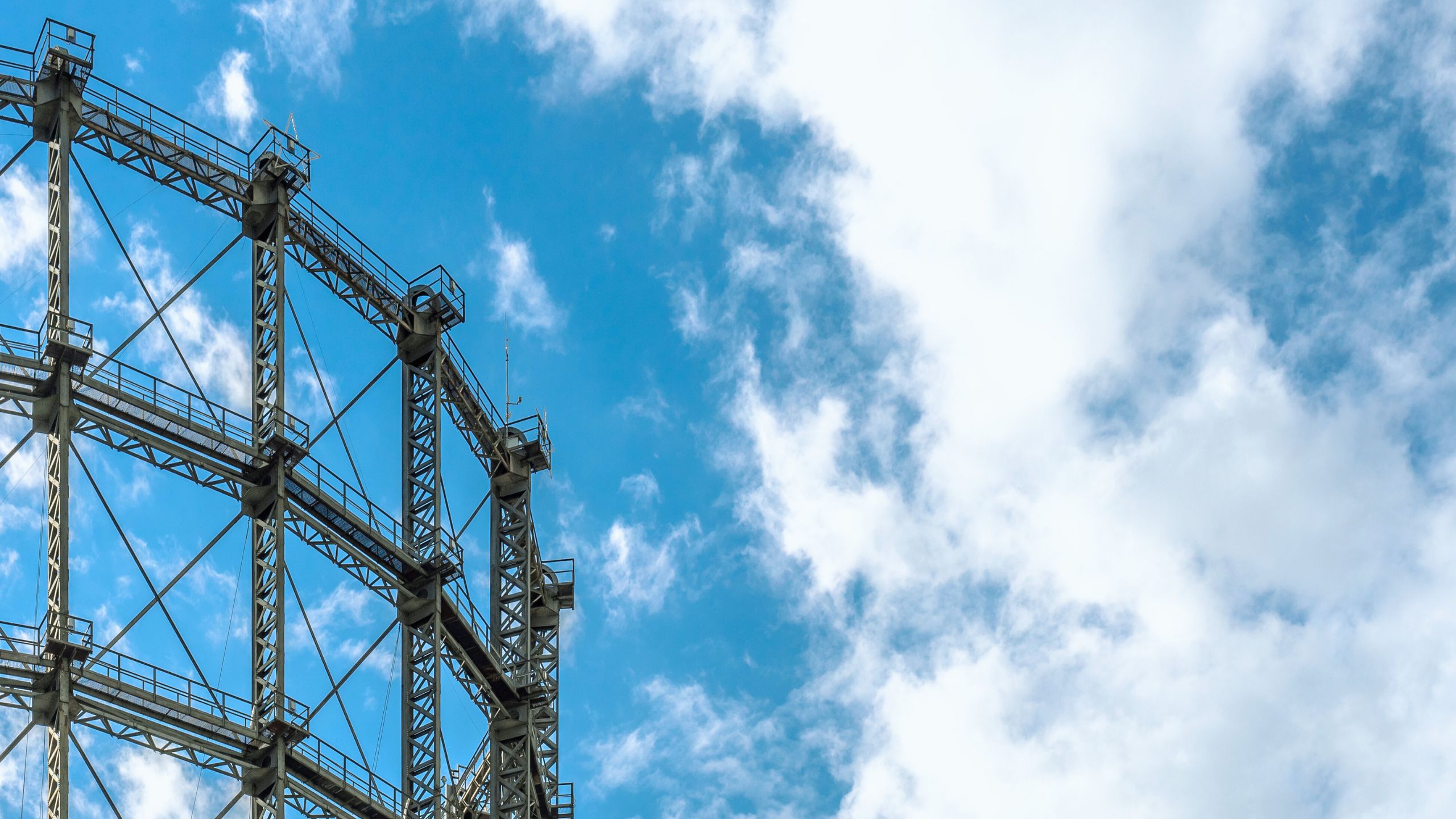
A Space for Temporary Exhibitions and New Narratives
Alongside its permanent collection, Centrale Montemartini regularly presents temporary exhibitions exploring themes such as new archaeological discoveries, restoration techniques, urban topography, and the dialogue between ancient and contemporary art. Recent shows have focused on topics like the representation of women in Roman sculpture and the cultural exchange between Rome and Egypt. With its focus on storytelling and accessibility, the museum is a recommended stop for schools, families, and organized groups.
Practical Information for Your Visit
Centrale Montemartini is located at Via Ostiense 106, just a few minutes from Garbatella station on Metro Line B. It is open from Tuesday to Sunday, from 9:00 AM to 7:00 PM (last entry at 6:00 PM). Facilities include restrooms, cloakroom, and a bookshop, and the exhibition path is fully accessible to visitors with limited mobility.
A visit typically takes 1.5 to 2 hours, depending on personal interest and any ongoing exhibitions. Given its proximity to the Testaccio neighborhood and the Ostiense street art scene, it’s easy to plan a full day focused on Rome’s modern cultural expressions.
Complementary Experiences to Enrich Your Roman Itinerary
A cultural stay in Rome can be further enriched by exploring other locations that share a focus on historical layers and urban storytelling. A visit to Trajan’s Markets, for example, offers another case of ancient architecture repurposed for museum use — with insights into the economy of Imperial Rome.
For those drawn to visual culture and historical evolution, a stroll through the Horti Farnesiani on the Palatine Hill or a stop at the Museo Napoleonico — which highlights Rome’s relationship with 19th-century European politics — can offer complementary perspectives.
Visitors interested in contemporary expressions can also explore street art in the Ostiense district or experience Macro Asilo, a nearby space dedicated to experimental art and social engagement.
Do you want to stay in Rome?
For this location we recommend Hotel Oxford, the ideal starting point to discover Rome!